
4", 6", 7/8 or Full Length? Building a Coherent Bottoms Length System
4", 6", 7/8 or Full Length? Building a Coherent Bottoms Length System
Length has quietly become a planning problem rather than a styling one. At HUCAI Gymwear, engineered by HUCAI Sportswear, most bottoms briefs still arrive as a single full-length pattern with a request to add a short and a capri on top, which is precisely where first samples begin to fail. The current market has already moved to tiered length systems, and the brands that get them right are the ones that planned the tiers before the first block was cut.
Kith Women's Fall Active "Proper Form" release of 14 to 16 September 2026 covers a Studio 4" Short, a 6" Short, a 7/8 Legging and a Full Length Legging inside one system. DFYNE's Dynamic Leggings currently offer Short, Regular and Tall, with inseam and height guidance published directly on the product page. On its Power Cobalt launch page, LSKD lists Fusion V-Contour tights in five lengths. Three brands, three different routes, one shared decision: length is treated as a tier inside a range rather than as a single inseam asked to suit every body.
Build one base block, then define every length tier by its target drop point rather than by its name. A 4" and a 6" short each need their own rise and hem opening, a 7/8 needs an agreed landing on the calf, and a full length needs a controlled ankle opening. All four can share one fabric and waistband platform at a 100 pcs per style and color minimum.
- 1. What the market is launching, and what it changes for a first range
- 2. One base block, four lengths: building the length matrix
- 3. The short tier: 4" and 6" are two different garment blocks
- 4. The 7/8 and capri tier: defining the drop point on the calf
- 5. Planning the minimum viable length combination
- 6. Questions US sourcing teams ask about length planning
1. What the market is launching, and what it changes for a first range
Source and fact. Kith Women's Fall Active Proper Form collection, released on 14 to 16 September 2026, is described on the brand's own discovery page as one active system that includes a Studio 4" Short, a 6" Short, a 7/8 Legging and a Full Length Legging. DFYNE's Dynamic Leggings product page currently separates Short, Regular and Tall and pairs each option with an inseam and height recommendation. LSKD's Power Cobalt launch page lists Fusion V-Contour tights in five lengths. None of these three brands treats length as an afterthought attached to a single hero inseam.
Observation. The change is not that shorter lengths are fashionable again. It is that length has been promoted to a merchandising layer. A brand that offered one inseam used to explain fit through the waistband; a brand that offers four tiers now explains fit through where the hem lands, which means the hem itself becomes a specification that has to be written down, graded and inspected.
Where the risk sits for an emerging label. Each additional length multiplies pattern work, fabric consumption, SKU count and markdown exposure. The natural shortcut is to take the proven full-length pattern and slice it shorter. That shortcut survives the tech pack review and then fails on the body, because the knee position, hem opening, pocket placement and rise were all drafted around a full-length silhouette. Length is a construction decision that has to be made in the pattern room, not in the cutting room.
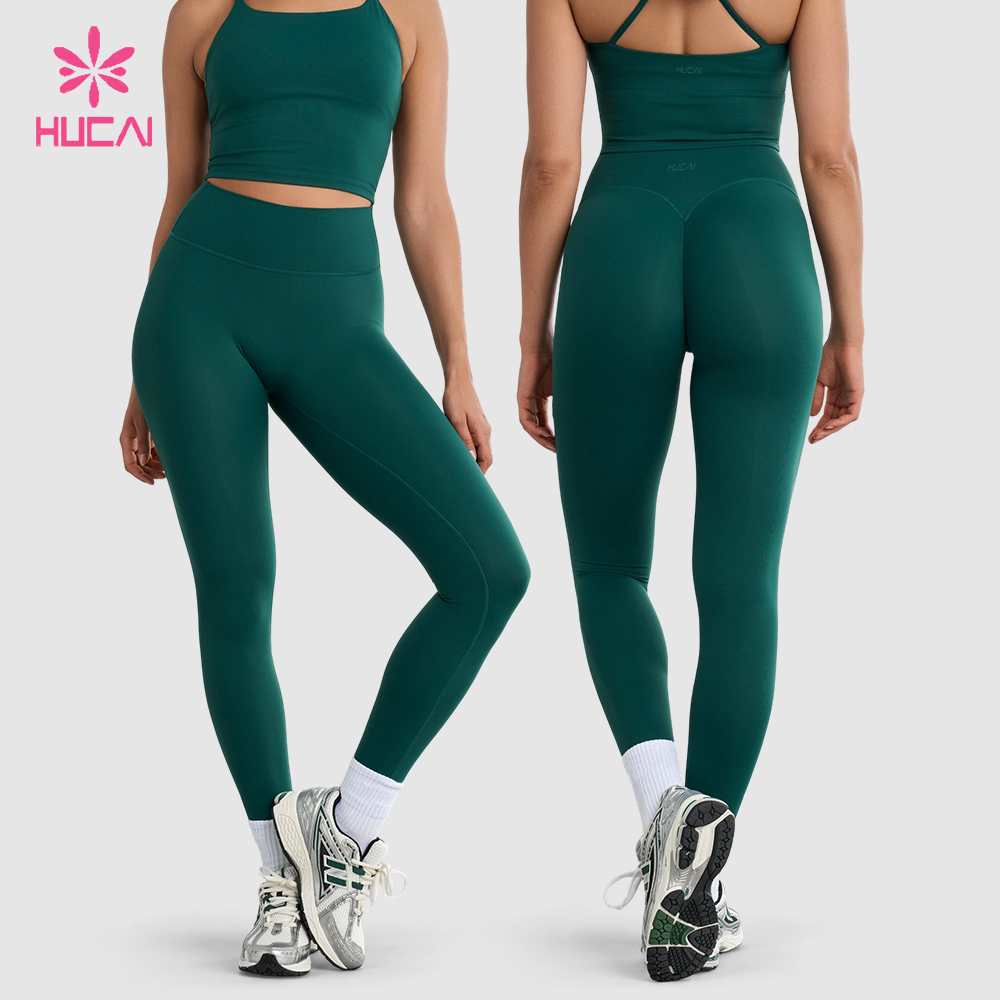
Manufacturing recommendation. At HUCAI Sportswear we treat the length matrix as a pattern-room deliverable. The base block is drafted once, then each tier is generated from a defined target drop point with its own hem and rise values, so the relationship between waist, hip, knee and hem stays consistent from the 4" short through to the full length legging. Categories are built out from that structure rather than assembled style by style, which is why our women's leggings development range and the short tiers underneath it read as one family rather than as unrelated products.
2. One base block, four lengths: building the length matrix
Source and fact. The clearest signal in the three launches above is structural: Kith keeps four lengths inside one named system, LSKD splits five lengths across one tights family, and DFYNE maps lengths to body height rather than to a style name. The common denominator is a single shared block with several graded length outputs, not several independent patterns that happen to share a color palette.
Observation. Buyers respond to this because it removes a decision from the customer. When a range defines its lengths, the shopper chooses a body match once, and the brand keeps the fit conversation inside its own vocabulary instead of competing on generic size charts. It also makes the range easier to photograph and easier for a retail partner to buy.
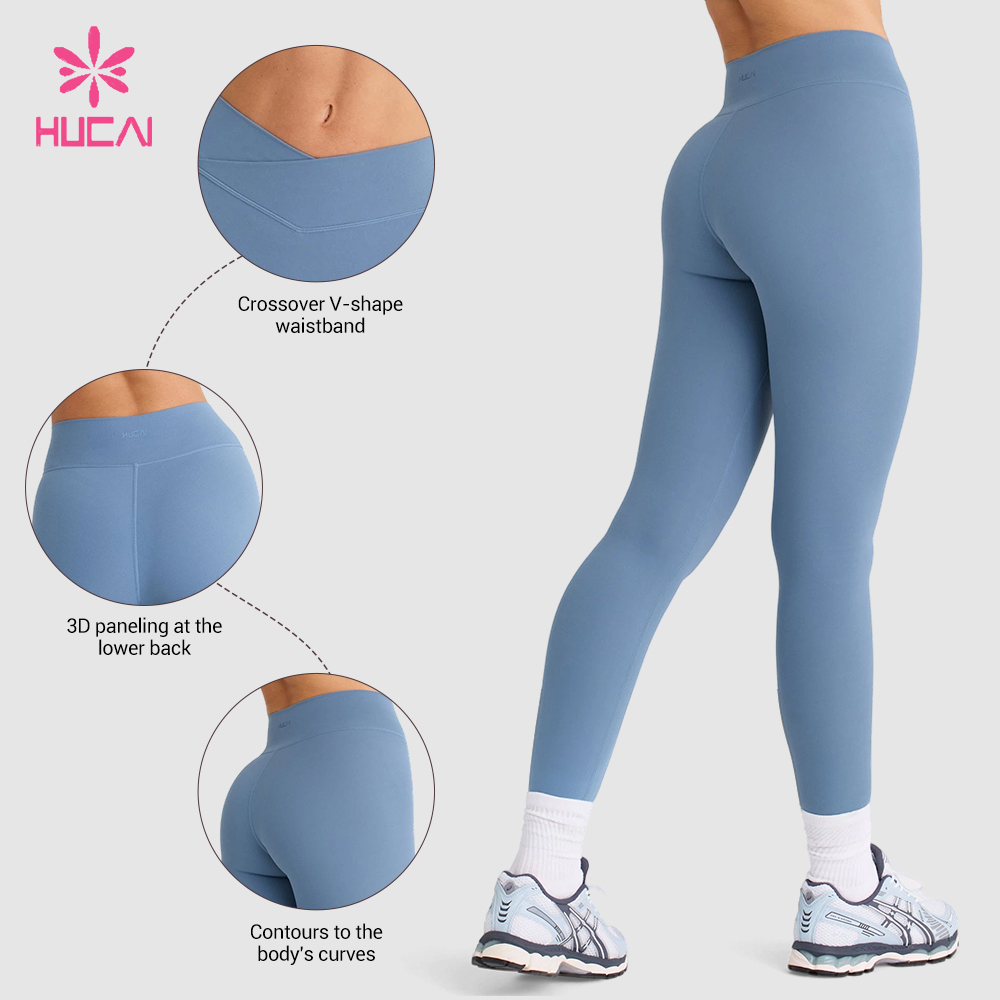
Where the risk sits. The failure mode is a length matrix that is only a length change. If the 4" short and the full length legging share a rise, the short will sit lower on the waist than intended, and if they share a hem finishing method, the short hem will curl because it is carrying far more tension per centimeter than an ankle hem does. A length matrix without a rise matrix and a hem matrix is only half a specification.
Manufacturing recommendation. Draft the base block in the fabric you intend to sell, then produce a length grading sheet that fixes five values for each tier: front rise, back rise, knee placement, hem opening and hem finishing method. Grading sheets should be reviewed on the body in a fitting, not only in the measurement chart, because a two-centimeter rise change reads very differently on a 6" short than on a full length legging. In our sample room, a four-tier bottoms range is normally approved in two fitting rounds when the matrix is written before the first pattern is cut.
3. The short tier: 4" and 6" are two different garment blocks
Source and fact. Kith's Proper Form system separates a Studio 4" Short from a 6" Short as two distinct listings rather than one short offered in two lengths. DFYNE's Dynamic range does the same thing with Short, Regular and Tall on the legging side. Two centimeters of difference is presented to the customer as two products, which tells you the brands expect the difference to be visible on the body.
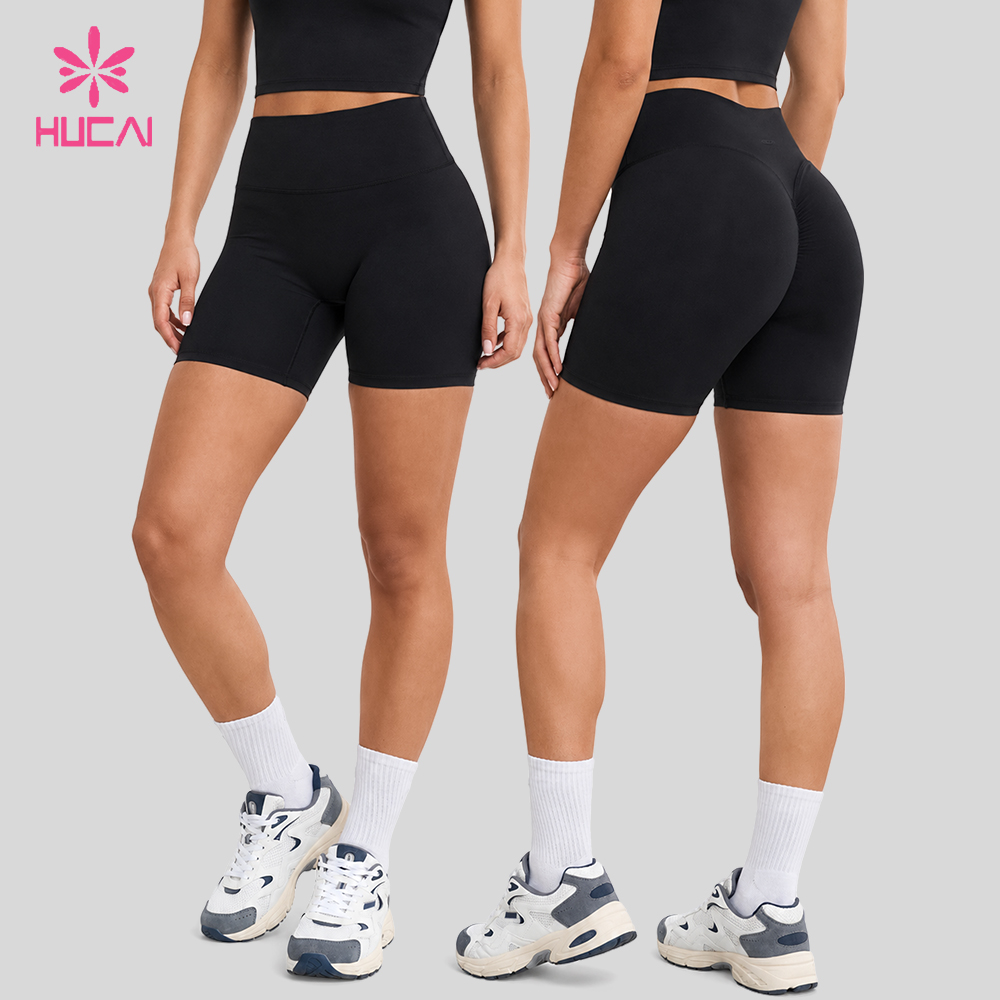
Observation. On a short, hem position changes what the garment has to do. A 4" short finishes high on the thigh, close to the widest part of the leg, where the fabric is under maximum horizontal tension. A 6" short finishes nearer the mid thigh, where the leg narrows and the hem has more room to sit flat. The same inseam change that looks trivial on paper changes the tension profile of the entire hem.
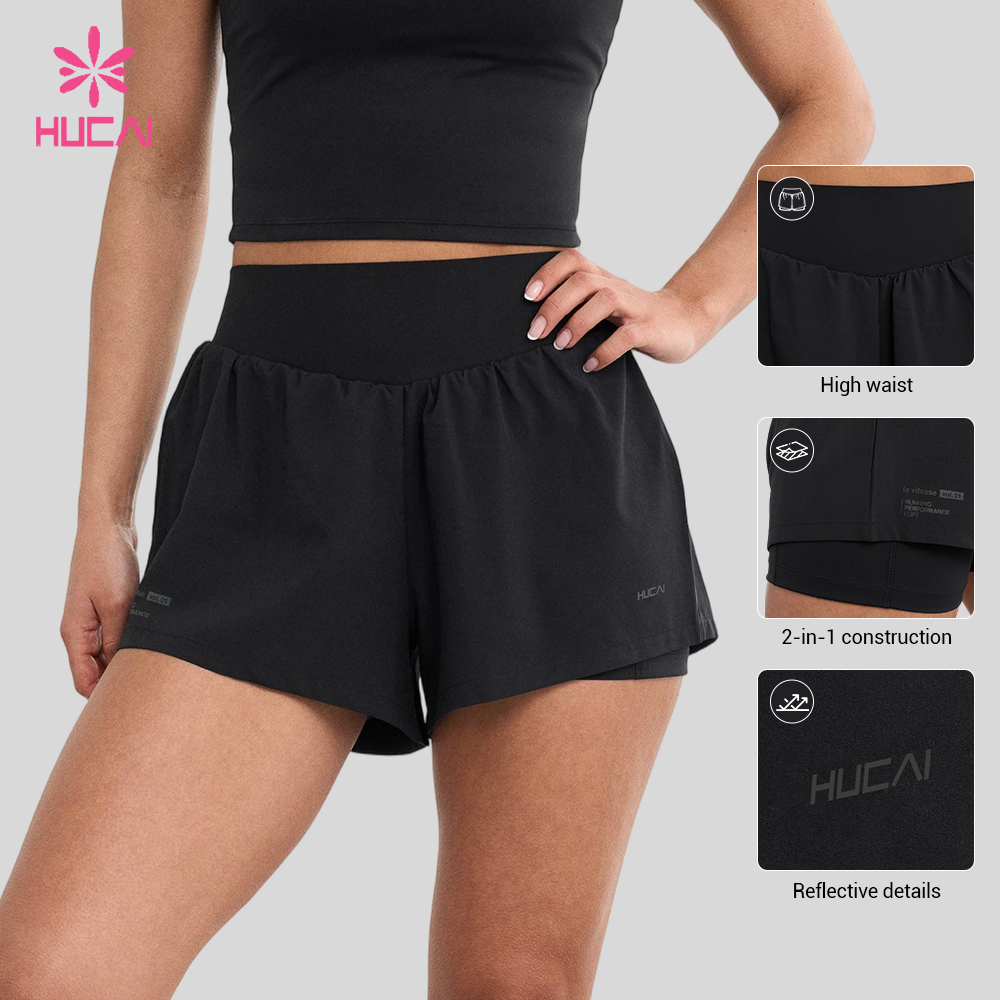
Where the risk sits. The two classic failures on a short tier are a riding hem and a rising waistband. Both come from reusing a longer pattern. A 4" hem needs a higher rise to anchor it and a firmer hem finish to resist rolling, and it usually needs a liner or an inner brief to prevent gapping during a squat. Treating the 4" as a trimmed 6" is the single most common cause of a second sample round.
Manufacturing recommendation. Specify the short tier as its own block with its own hem treatment. In practice a 4" short benefits from a foldover or encased elastic hem with 4-needle 6-thread flatlock covering the seam, plus an inner layer for security, while a 6" short can carry a simpler clean hem with a light silicone grip. Our custom sports shorts development line is built around that distinction, and our two-layer waistband construction used on the longer tiers is available as a reference for how the rise is anchored when the hem moves up.
4. The 7/8 and capri tier: defining the drop point on the calf
Source and fact. Kith lists a 7/8 Legging alongside a Full Length Legging inside the same Fall Active system, and LSKD's five-length Fusion V-Contour family includes several sub-full lengths. On DFYNE's Dynamic Leggings page, inseam and height guidance sit next to each other, which is the clearest admission that an absolute inseam figure means little without a body reference.
Observation. The 7/8 is the hardest tier to sell consistently, because it is the tier where the customer's own height changes the perceived product. A 25" inseam reads as a 7/8 on a taller customer and as a near-full length on a shorter one. Brands that keep the tier coherent stop describing it in inches and start describing where it lands, which is why height guidance now appears on product pages next to inseam.
Where the risk sits. The calf is a moving target. It narrows and widens through the gait cycle, it flexes through a calf raise, and on a shorter length the hem sits close to the widest point of the calf, where it is pushed outward on every step. A 7/8 hem drafted flat will flare or ride, and any elastic placed on the hem has to be tuned against recovery so the hem returns to position after a deep squat instead of staying stretched.
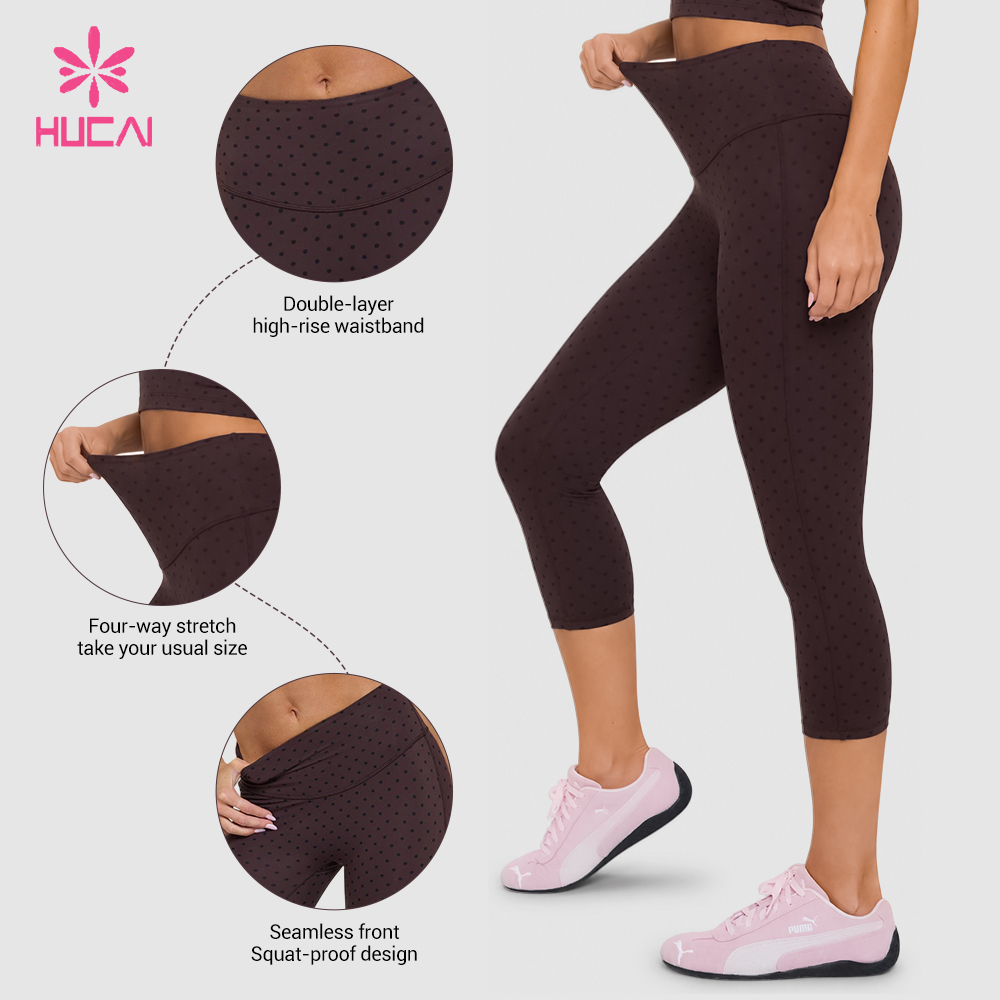
Manufacturing recommendation. Write the tier as a target drop point and validate it on at least two body heights before approving. Grade the calf opening separately from the inseam, keep the leg opening generous enough to sit on the calf without cutting in, and finish the hem with a recovery-tested elastic band rather than a simple overlock. Every bottom we produce passes a Grade 4-5 squat-proof opacity check in the final fabric and colorway, which matters most on the shorter tiers where the fabric is stretched hardest.
5. Planning the minimum viable length combination
Source and fact. LSKD's five lengths show how far a mature family can go, and DFYNE's three options show a deliberately tighter version of the same idea. The market therefore supports both a wide and a narrow answer, which means the number of lengths is a commercial choice rather than a technical ceiling.
Observation. Every extra length adds pattern, grading, marker making, fabric, trims and a separate stock line. For a brand in its first two ranges, the useful constraint is not how many lengths can be made but how many can be sold through without a markdown, and that number is usually smaller than the first draft of the range plan.
Where the risk sits. The expensive mistake is launching a full tier ladder and discovering that one tier never sells, which strands fabric and blocks the next development cycle. The second most expensive mistake is launching too narrow, then trying to add a tier mid-season, when the fabric lot, the color approval and the pattern revision all have to be reopened at speed.
Manufacturing recommendation. Choose the minimum viable set that still covers distinct use cases, then add tiers once you have sell-through evidence. A workable first range is four bottoms: a 4" short, a 6" short, a 7/8 legging and a full length legging, all sharing one fabric platform and one waistband construction, at a flexible minimum of 100 pcs per style and color with mixed sizing. Sampling runs 7 to 10 working days with existing fabric, and bulk production 20 to 25 working days from approved pre-production sample and deposit. At HUCAI Sportswear, building the ladder inside one fabric platform keeps the color approval joined up across tiers, which is what makes a range read as a system on the page and on the shelf.
From Jean Yuan's product-development perspective, length tiers fail in the pattern room long before they fail in a fitting. A full length pattern trimmed at the knee loses the leg-line balance the block was drafted around, and the loss shows up as a kicked-out hem or a waistband that climbs during a squat. In the Dongguan sample room, each tier is drafted from its own target drop point, then checked with the recovery of the actual fabric and colorway, so hem tension and rise are settled together rather than patched in a second sample round.
Decision check: what each length tier actually requires
| Length tier | Target drop point | Pattern requirement | Rise and hem treatment | Primary use |
|---|---|---|---|---|
| 4" short | High on the thigh | Own block, not a trimmed 6" | Higher rise, encased or foldover hem, inner layer | Training, studio, summer range |
| 6" short | Mid thigh | Own block with room at the hem | Standard high rise, clean hem with light grip | Studio, cycling, everyday |
| 7/8 legging | Calf | Separate calf opening and inseam grading | Recovery-tested hem elastic, graded opening | Pilates, barre, running |
| Full length | Ankle | Base block reference | Controlled ankle opening, optional hem grip | Training, layering, all season |
Questions US sourcing teams ask about length planning
Final takeaway
Length has become a merchandising layer, and a range that defines it well reads as a system rather than a list of products. Define each tier by its drop point instead of its name, draft every tier from one base block with a written length grading sheet, and keep the waistband and fabric platform constant so the ladder stays commercially efficient. HUCAI Gymwear builds those tiers in one development cycle at a flexible 100 pcs per style and color minimum.
Sourcing, sampling control and supplier planning notes for US, AUS and CA labels sit in our brand growth and production management section, where this length framework is applied to a full development calendar.


